The theater is great.
Very old and it is still standing snd holding its valuable.
There are detailed descriptions of the place and how it was during the original time.
There are digging and exploring teams that are still discovering new parts of the location.
It costs 20 EGY LE for Egyptians and 200 EGY LE for non-Egyptians.
Well worth a visit. There is explanatory signage. There are baths, a theater, Town square, a villa from 1ad and oratorium. Not in a great state of preservation but you get the idea. We spent approximately an hour there and enjoyed it
Finally, a site that you can walk around undisturbed without the whole tourist experience from the locals. It’s not just looking at some pyramids, it’s feeling your way back in time. No surveillance cameras watching you and only a few other sight seers wandering around at the same time. I was there for 2.5h from 1:15pm on a Monday.
Towards the end, a staff member did start telling me about some of the structures and it took me five minutes to cotton on that of course he was going to ask me for money afterwards 😆. He was wearing the official looking uniform and when I asked if he was police, he said yes so I initially just thought he was being nice.
Look, it’s not ideal if formal staff are trying to get money from full paying ticket holders but he was absolutely fine when I said no and that I only had credit card (I didn’t, o just refuse to be extorted here).
Notice that the sign on the bathrooms says not to tip anyone so I’d think the same should go for the staff acting as brief tour guides with poor English.
Other than that, the other guards/staff were surprisingly pleasant and I didn’t get that usual feeling I get in Egypt which is from being told not to go somewhere when walking around harmlessly and not walking past barriers.
The place was pretty trash filled though and I was just thinking: with that many staff working, one couldn’t move from zone to zone picking up the trash Thats probably been in situ for years? Just no pride in their country.
Another thing, I don’t know why some have said that signs aren’t legible. I think every single one is here. The catacombs, no.
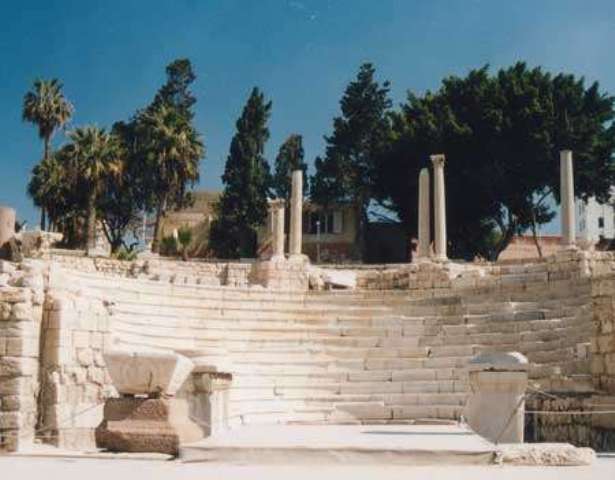
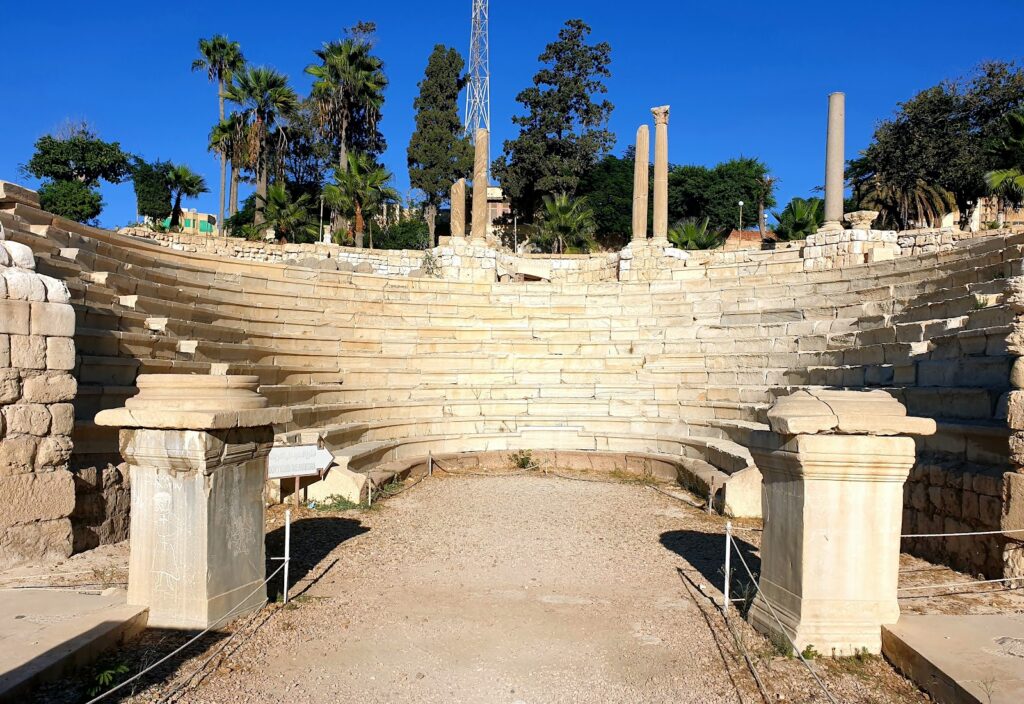
This Amphitheatre is one of its kind to be found in the Egypt. The entry fee to this place is 200 EGP. Excavations at the site were initially undertaken in search of the grave of Alexander the Great, however the 4th century Ancient Roman theatrewas uncovered instead. The ruins found included the original Roman marble seating, a number of courtyard mosaics, and even graffiti relating to the rivalry of supporters of local chariot teams. As well as the theatre itself, there are also the remains of a baths complex on the site and several other chambers and living quarters. Further research and excavations are still being carried out, with these finds shedding new light on the complex. Some of the latest theories are centred around the idea that the theatre was actually a small lecture hall, and that the complex as a whole was an academic institution – perhaps even an ancient university linked to the Great Library of Alexandria.
Visiting the Kom al-Diqa Roman Amphitheatre in Alexandria felt like stepping into a quiet dialogue with ancient history. This place doesn’t impress with grand standing buildings or dramatic architecture; instead, it speaks through its ruins, stones, and timeless silence.
Once an important Roman gathering space, the amphitheatre reflects how people used to come together centuries ago for multiple activities—art, cultural, social, and religious. As you walk around, you can almost imagine the voices and movements that once filled this open space.
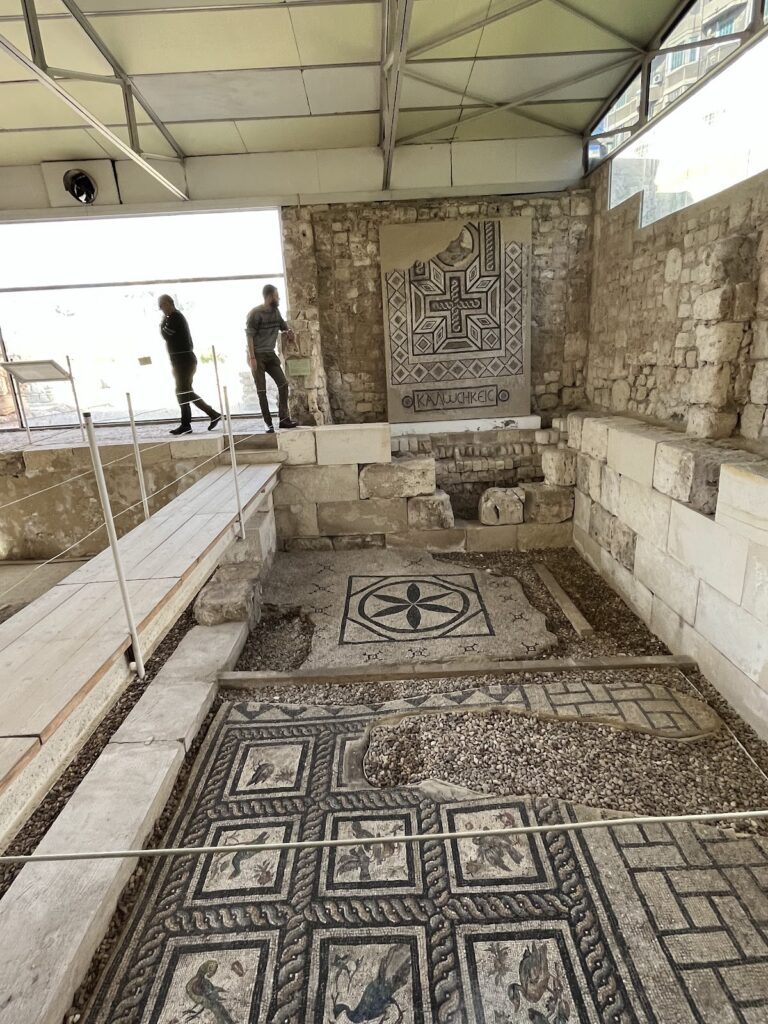
One of the most captivating parts of Kom al-Diqa is the mosaic area, where you can still see Roman mosaic patterns featuring birds and intricate designs. This section was believed to be a sanctuary during that time, adding depth and meaning to the site.
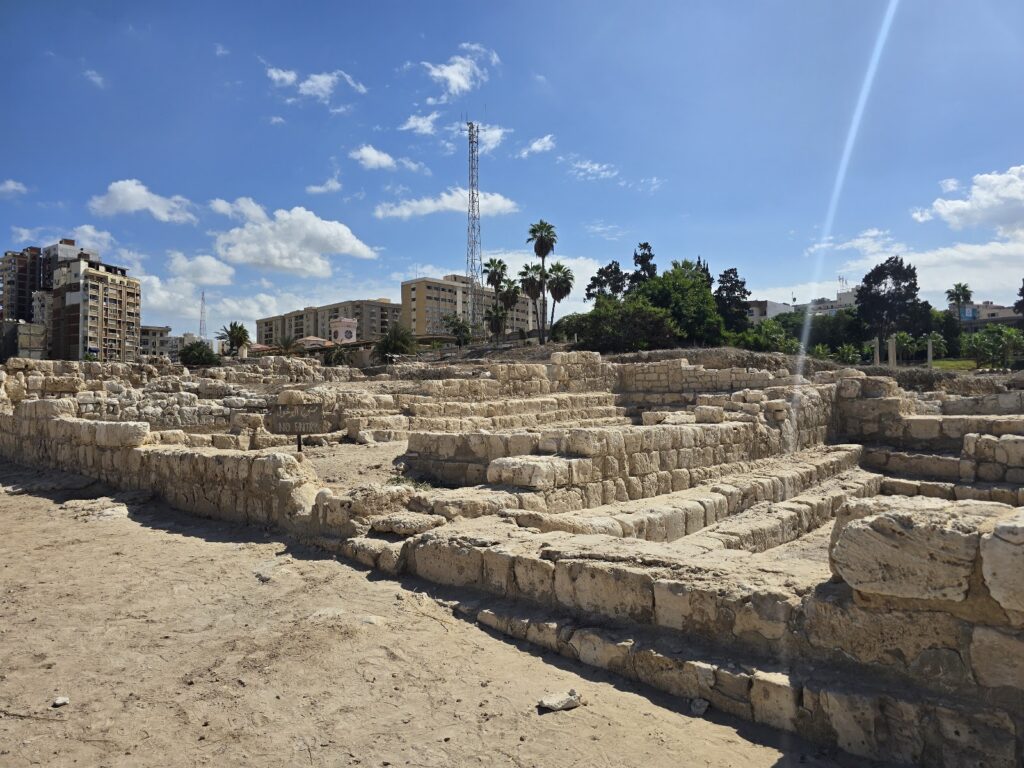
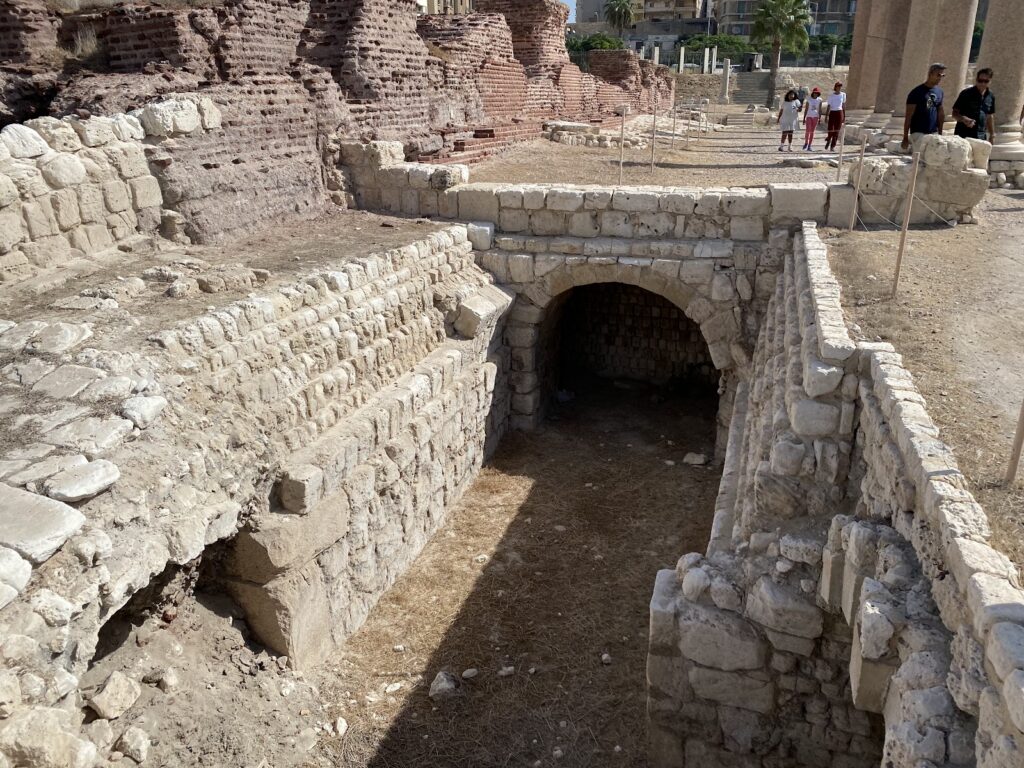
Today, no complete buildings remain. There are no walls or intact architectural structures—only ancient pillars, scattered stones uncovered during archaeological excavations, and the visible outlines of history. Several sphinx statues, discovered during digging, are also displayed here, making the site even more fascinating for history enthusiasts.
This place is ideal for true history lovers—people who enjoy understanding civilizations rather than just photographing them. However, if you are looking for a highly photogenic spot with preserved architecture in the background, this may not be the right place, as the beauty here lies more in the story than in visuals.
We visited around 3:30 PM and left by 5:00 PM. Around 1 to 2 hours is more than enough to explore the entire site comfortably. One important thing for tourists to note: cash is not accepted for ticket payments. Make sure you carry a Visa card or electronic payment option, especially if you’re visiting without a tour guide.
In essence, Kom al-Diqa is not about what still stands—it’s about what once existed. The ruins may be silent, but they tell powerful stories to those who truly listen.
Business Hour
Open
Open 24/7
Claim Now
Is this your business?
Claim listing is the best way to manage and protect your business.

















Ahmed Assem
The theater is great.
Very old and it is still standing snd holding its valuable.
There are detailed descriptions of the place and how it was during the original time.
There are digging and exploring teams that are still discovering new parts of the location.
It costs 20 EGY LE for Egyptians and 200 EGY LE for non-Egyptians.
Jane Corteville
Well worth a visit. There is explanatory signage. There are baths, a theater, Town square, a villa from 1ad and oratorium. Not in a great state of preservation but you get the idea. We spent approximately an hour there and enjoyed it
Alt Narrative
Finally, a site that you can walk around undisturbed without the whole tourist experience from the locals. It’s not just looking at some pyramids, it’s feeling your way back in time. No surveillance cameras watching you and only a few other sight seers wandering around at the same time. I was there for 2.5h from 1:15pm on a Monday.
Towards the end, a staff member did start telling me about some of the structures and it took me five minutes to cotton on that of course he was going to ask me for money afterwards 😆. He was wearing the official looking uniform and when I asked if he was police, he said yes so I initially just thought he was being nice.
Look, it’s not ideal if formal staff are trying to get money from full paying ticket holders but he was absolutely fine when I said no and that I only had credit card (I didn’t, o just refuse to be extorted here).
Notice that the sign on the bathrooms says not to tip anyone so I’d think the same should go for the staff acting as brief tour guides with poor English.
Other than that, the other guards/staff were surprisingly pleasant and I didn’t get that usual feeling I get in Egypt which is from being told not to go somewhere when walking around harmlessly and not walking past barriers.
The place was pretty trash filled though and I was just thinking: with that many staff working, one couldn’t move from zone to zone picking up the trash Thats probably been in situ for years? Just no pride in their country.
Another thing, I don’t know why some have said that signs aren’t legible. I think every single one is here. The catacombs, no.
VIPUL TALWARIA
This Amphitheatre is one of its kind to be found in the Egypt. The entry fee to this place is 200 EGP. Excavations at the site were initially undertaken in search of the grave of Alexander the Great, however the 4th century Ancient Roman theatrewas uncovered instead. The ruins found included the original Roman marble seating, a number of courtyard mosaics, and even graffiti relating to the rivalry of supporters of local chariot teams. As well as the theatre itself, there are also the remains of a baths complex on the site and several other chambers and living quarters. Further research and excavations are still being carried out, with these finds shedding new light on the complex. Some of the latest theories are centred around the idea that the theatre was actually a small lecture hall, and that the complex as a whole was an academic institution – perhaps even an ancient university linked to the Great Library of Alexandria.
Amina Yaqoob
Visiting the Kom al-Diqa Roman Amphitheatre in Alexandria felt like stepping into a quiet dialogue with ancient history. This place doesn’t impress with grand standing buildings or dramatic architecture; instead, it speaks through its ruins, stones, and timeless silence.
Once an important Roman gathering space, the amphitheatre reflects how people used to come together centuries ago for multiple activities—art, cultural, social, and religious. As you walk around, you can almost imagine the voices and movements that once filled this open space.
One of the most captivating parts of Kom al-Diqa is the mosaic area, where you can still see Roman mosaic patterns featuring birds and intricate designs. This section was believed to be a sanctuary during that time, adding depth and meaning to the site.
Today, no complete buildings remain. There are no walls or intact architectural structures—only ancient pillars, scattered stones uncovered during archaeological excavations, and the visible outlines of history. Several sphinx statues, discovered during digging, are also displayed here, making the site even more fascinating for history enthusiasts.
This place is ideal for true history lovers—people who enjoy understanding civilizations rather than just photographing them. However, if you are looking for a highly photogenic spot with preserved architecture in the background, this may not be the right place, as the beauty here lies more in the story than in visuals.
We visited around 3:30 PM and left by 5:00 PM. Around 1 to 2 hours is more than enough to explore the entire site comfortably. One important thing for tourists to note: cash is not accepted for ticket payments. Make sure you carry a Visa card or electronic payment option, especially if you’re visiting without a tour guide.
In essence, Kom al-Diqa is not about what still stands—it’s about what once existed. The ruins may be silent, but they tell powerful stories to those who truly listen.